
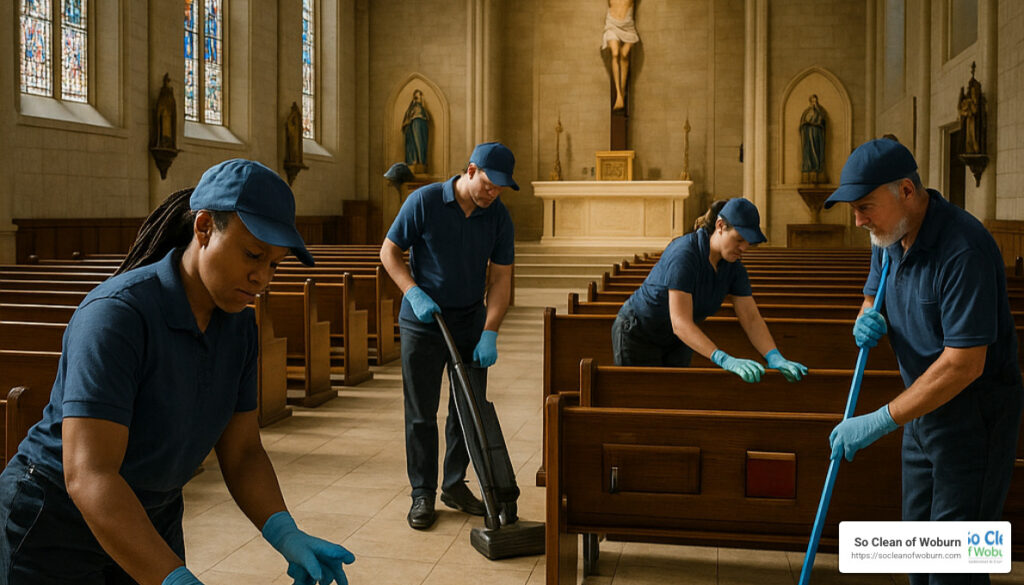
A good approach is to map the building by risk, how often each area is used, and what surfaces are touched most. Then they can schedule daily, weekly, and seasonal tasks that protect both health and the facility’s condition.
What makes church cleaning unique compared to other buildings?
Churches often combine historic materials, quiet worship spaces, and community services under one roof. That mix creates competing needs: they must disinfect well without damaging wood finishes, stone, stained glass, or delicate textiles.
For church cleaning, this means keeping the process unobtrusive and respectful. Strong odors, loud equipment, or moving items on altars and pulpits can cause concerns, so procedures should be consistent, documented, and aligned with religious practices.
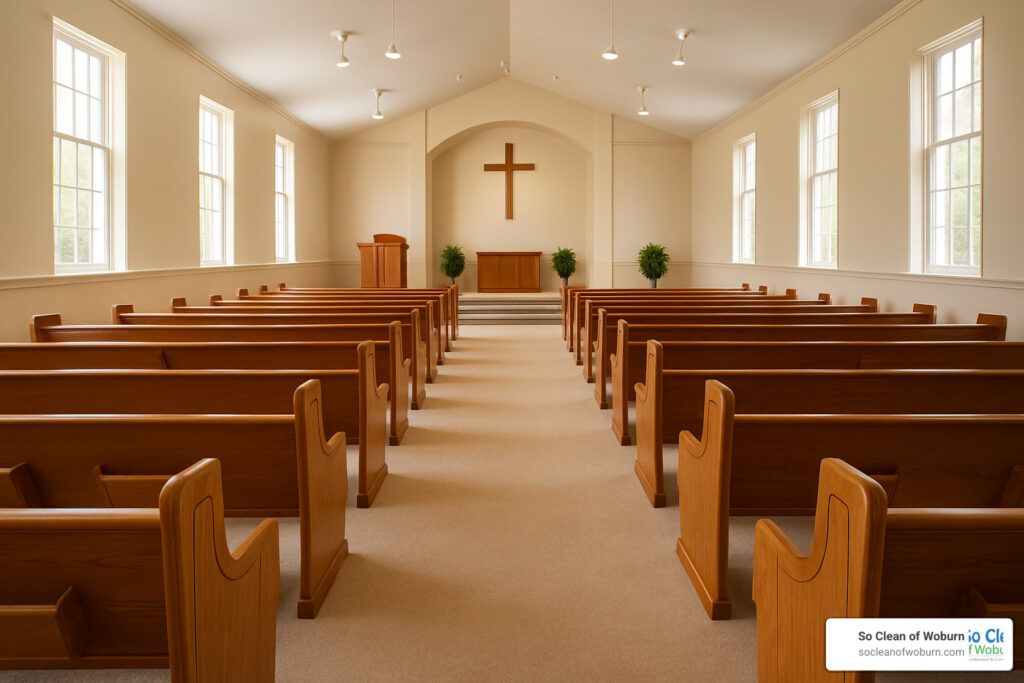
Which high-touch points need the most frequent disinfection?
High-touch points should be disinfected on every service day and during busy events because they are the main pathway for illness spread. The goal is simple: reduce germ transfer without leaving residue or sticky buildup.
Key high-touch points include door handles, push plates, railings, light switches, elevator buttons, donation kiosks, faucet handles, toilet flush levers, and shared microphones. If they use shared prayer books or pens, those should be rotated, wiped, or replaced with single-use options.
What areas of the sanctuary require special attention?
The sanctuary looks clean even when it is not, so they should focus on dust, allergens, and contact surfaces. Seating, kneelers, and armrests collect skin oils and germs, while floors and vents collect dust that becomes airborne during services.
They should vacuum with HEPA filtration, spot-clean upholstery as needed, and use appropriate wood-safe products on pews. Pulpits, lecterns, and communion rails should be cleaned carefully, avoiding oversaturation that can stain or warp finishes.
How should restrooms be cleaned to meet health expectations?
Restrooms should be treated as priority zones because they affect both hygiene and perception. If visitors notice odors, empty dispensers, or dirty floors, they tend to assume the entire facility is poorly maintained.
They should disinfect toilets, sinks, partitions, and touchpoints, then clean mirrors and mop with a disinfecting cleaner appropriate for the flooring. Paper goods, soap, and feminine hygiene supplies should be checked before services, and trash should be removed frequently during events.
What needs extra care in nurseries and children’s rooms?
Children’s areas need a stricter routine because kids touch everything and are more likely to share germs. Disinfection should focus on toys, tables, chair backs, and any play surfaces they handle repeatedly.
They should use child-safe disinfectants, follow proper dwell times, and separate “cleaned” toys from “used” toys during services. Diaper changing stations, nap mats, and soft items should be cleaned or laundered on a clear schedule they can document.
How should fellowship halls, kitchens, and food-service spaces be handled?
Food-service areas require a different standard than worship spaces because they can create foodborne risk. Even if meals are occasional, grease, crumbs, and sink bacteria build up quickly without a plan.
They should clean and sanitize counters, tables, handles, and appliance exteriors, plus sweep and mop after events. Refrigerators should be wiped inside, spills logged, and trash removed the same day. If they host large meals, they should confirm their process aligns with local health guidance.
What should they prioritize at entrances, lobbies, and foyers?
Entrances are where dirt, salt, pollen, and moisture enter the building, so they need daily attention in active seasons. It is also where first impressions form, which makes cleanliness feel directly tied to hospitality.
They should use walk-off mats, vacuum and shake them out, and keep floors dry to prevent slips. Glass doors, welcome counters, and brochure racks should be wiped regularly, and floors should be monitored during rain or snow events.
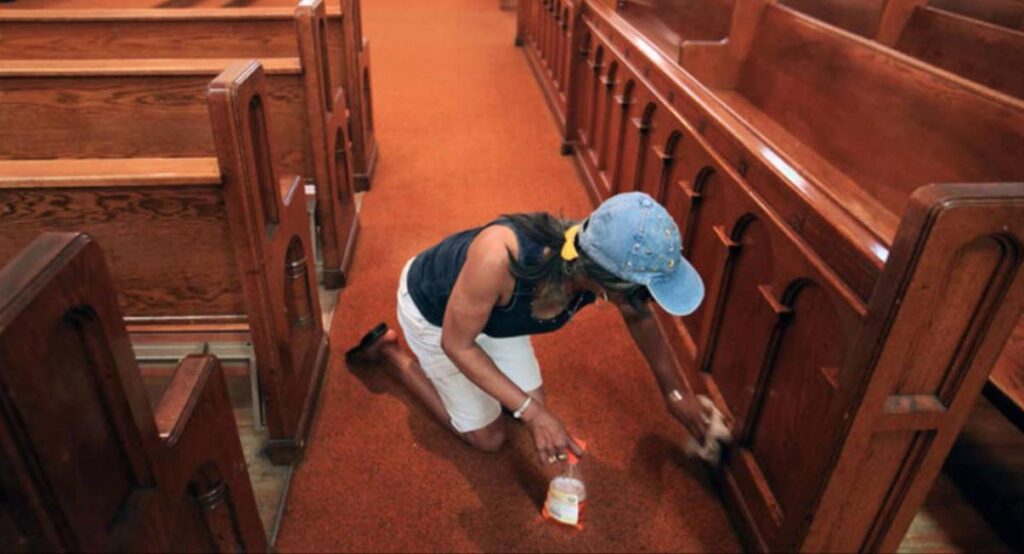
How should carpets, pew upholstery, and flooring be maintained long term?
Flooring maintenance is about preventing permanent wear, not just removing visible dirt. Grit is the main problem because it acts like sandpaper on carpet fibers and hard floors.
They should vacuum high-traffic lanes frequently, schedule periodic deep extraction for carpets, and use correct pH products for tile, stone, or wood. If they use hardwood, they should avoid excessive water and use pads on chairs and equipment to reduce scratches.
What about delicate items like altars, religious artifacts, and stained glass?
Sacred items and historic materials need caution because improper chemicals or cloths can cause irreversible damage. They should define which items are “no-touch,” which require clergy approval, and which can be handled by trained staff.
They should use microfiber cloths, minimal moisture, and gentle products approved for the surface. Stained glass and carved wood should be dusted carefully, and polishing should be limited to appropriate schedules to avoid buildup and residue.
How can they control dust, allergies, and indoor air quality?
Dust control matters because congregants may be sensitive to allergens, and some facilities sit unused for days, letting dust settle heavily. When services begin, movement stirs it back into the air.
They should dust from high to low, vacuum with HEPA equipment, and replace HVAC filters on schedule. Vents, ceiling fans, and ledges should be included in routine checklists, especially before holidays when attendance increases. You may like to visit https://journalofarchitecture.org/commercial-cleaning-parramatta-what-is-included-in-a-weekly-cleaning-plan to learn more about : Commercial Cleaning Parramatta: What Is Included in a Weekly Cleaning Plan?
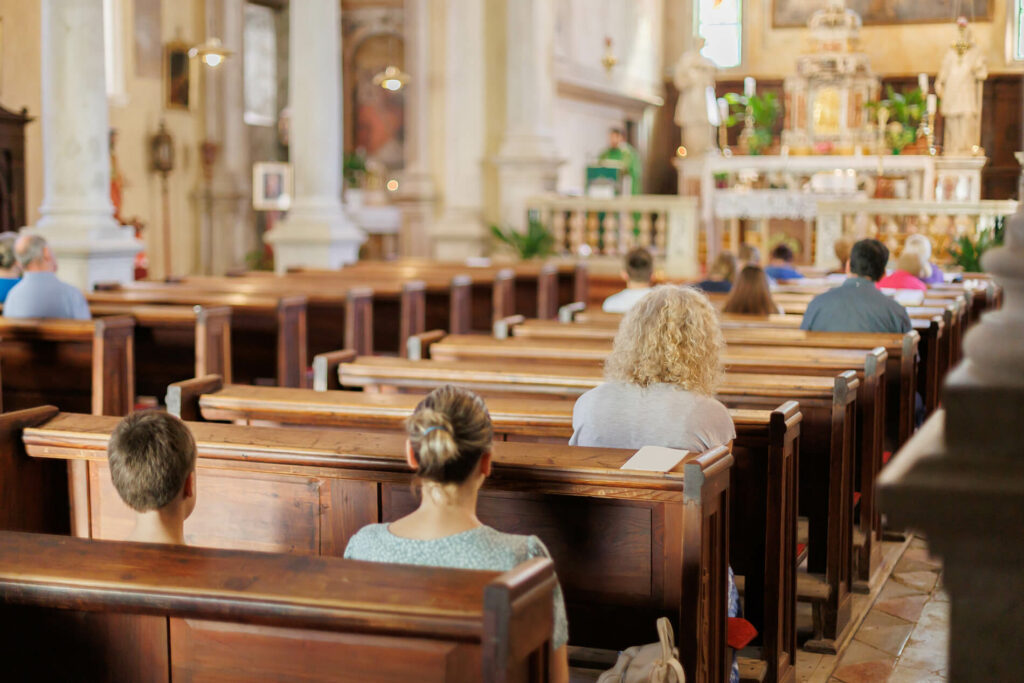
What cleaning plan works best for weekly services and seasonal events?
A simple schedule works best: pre-service touch-up, post-service reset, and periodic deep cleaning. That structure keeps the facility consistent without last-minute scrambling.
They should plan extra coverage before weddings, funerals, and holiday services, focusing on restrooms, entrances, and seating areas. Seasonal deep cleaning can include carpet extraction, floor refinishing, high dusting, and detailed restroom descaling, timed around the calendar they already follow.
FAQs (Frequently Asked Questions)
What makes church cleaning different from regular commercial cleaning?
Church cleaning is unique because religious facilities experience high foot traffic, host vulnerable visitors, and contain sacred objects. They have mixed-use spaces such as sanctuaries and kitchens, requiring detailed and respectful cleaning plans that protect both health and the facility’s condition.
Which high-touch points in churches require frequent disinfection?
High-touch points needing frequent disinfection include door handles, push plates, railings, light switches, elevator buttons, donation kiosks, faucet handles, toilet flush levers, and shared microphones. Shared prayer books or pens should be rotated, wiped, or replaced with single-use options to reduce germ transfer.
How should restrooms in churches be cleaned to meet health expectations?
Restrooms should be priority zones with thorough disinfection of toilets, sinks, partitions, and touchpoints. Mirrors need cleaning, floors mopped with disinfecting cleaners suitable for the flooring. Supplies like paper goods, soap, and feminine hygiene products must be checked before services, and trash removed frequently during events to maintain hygiene and positive perception.
What special care is needed for sanctuaries during cleaning?
Sanctuaries require focus on dust removal, allergen control, and contact surface cleaning. Seating areas like pews and kneelers collect skin oils and germs; floors and vents gather dust that becomes airborne during services. Use HEPA-filtered vacuuming, spot-clean upholstery appropriately, and apply wood-safe products carefully on pews. Clean pulpits and communion rails cautiously to avoid damage.
How should delicate items like altars and stained glass be maintained during cleaning?
Delicate sacred items need cautious handling with minimal moisture and gentle products approved for each surface. Define which items are ‘no-touch,’ require clergy approval, or can be handled by trained staff. Use microfiber cloths for dusting stained glass and carved wood carefully; limit polishing to scheduled times to prevent buildup or residue.
What is an effective cleaning schedule for weekly church services and seasonal events?
An effective schedule includes pre-service touch-ups, post-service resets, and periodic deep cleanings to maintain consistency without last-minute efforts. Extra coverage is advised before weddings, funerals, or holiday services focusing on restrooms, entrances, and seating areas. Seasonal deep cleaning may involve carpet extraction, floor refinishing, high dusting, and restroom descaling aligned with the church calendar.