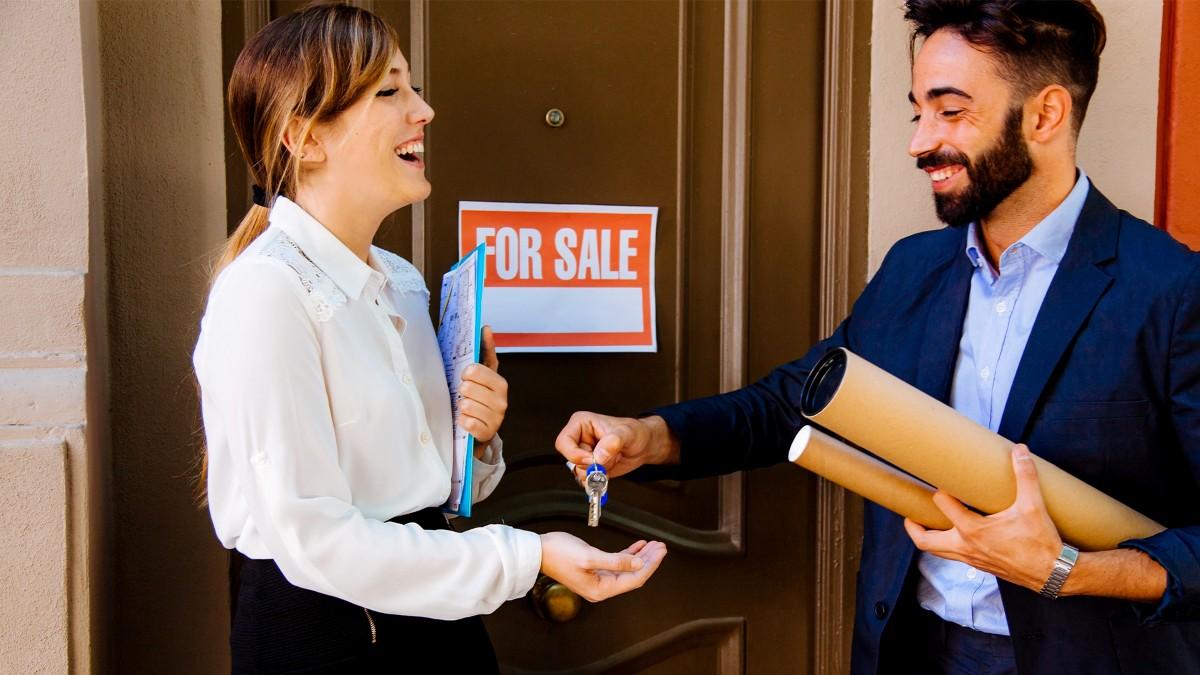
Buying in Cremorne, Melbourne, looks simple on paper: inspect, offer, settle. In practice, it is a tightly held, fast-moving market where small mistakes can cost six figures. For property investors, the real question is whether doing it alone is a smart saving or a false economy.
This guide compares DIY buying with using a Buyers Agent Cremorne, focusing on price, risk, time, access, and outcomes in an Australian context.
What makes Cremorne a tricky suburb to buy in?
Cremorne is competitive because stock is limited and demand is steady from owner-occupiers and investors chasing inner-city proximity. That pressure can compress due diligence timelines and push buyers into emotional decisions.
For investors, the suburb’s mix of older terraces, converted warehouses, and newer flats also increases the odds of hidden complexity. The buying process rewards those who can move quickly without skipping checks.
What does DIY buying actually involve for an investor?
DIY means the investor is responsible for strategy, suburb and street selection, inspections, due diligence, negotiation, and managing professionals like conveyancers and building inspectors. It also means filtering agent advice, which is rarely neutral.
In Cremorne, DIY often becomes a second job for weeks or months. The workload spikes when a property looks promising because that is when fast decisions are required.
What does a Buyers Agent Cremorne do that DIY buyers cannot easily replicate?
A Buyers Agent Cremorne acts only for the buyer, not the seller. They build a buying strategy, shortlist suitable properties, run due diligence, and negotiate terms with selling agents.
They also coordinate the process end-to-end so an investor is not scrambling for inspections, contract reviews, or comparable sales data. The main difference is not effort. It is process discipline under time pressure.
How much time can a professional realistically save?
In a suburb like Cremorne, investors can easily spend 30 to 80 hours on inspections, calls, research, and admin before buying or giving up. Much of that time is spent on properties that never fit the brief.
A Buyers Agent Cremorne typically reduces wasted effort by filtering listings early and focusing only on realistic opportunities. That time saving matters most for interstate buyers and busy professionals.
Does a buyers agent really help avoid overpaying in Cremorne?
Yes, but not by “talking the price down” in every case. The bigger benefit is accurate pricing before an offer is made, using local comparables, current buyer depth, and the property’s true risk profile.
In a hot campaign, the difference between a strong bid and an overbid can be a narrow band. A Buyers Agent Cremorne aims to keep the buyer inside that band, even when emotions are high.
Can DIY buyers access the same data and comparable sales?
DIY buyers can access sold results, portals, and some paid tools. The challenge is interpreting that data correctly in a micro-market where two similar-looking properties can have very different value drivers.
For example, orientation, heritage overlays, floorplan efficiency, Owners Corporation costs, and building quality can shift valuation quickly. A Buyers Agent Cremorne is paid to notice these details and quantify the impact, not guess.
What about off-market and pre-market opportunities in Cremorne?
Off-market is often overstated, but pre-market access can be real in inner suburbs. Some selling agents quietly test buyer interest before launching, especially for vendors who prefer privacy or speed.
A Buyers Agent Cremorne may hear about these earlier through agent relationships and active buyer demand. That said, pre-market does not automatically mean cheaper. It can mean less competition and a cleaner process.
Is negotiation really a skill advantage, or is it just confidence?
Negotiation is part confidence, part information. Selling agents respond to certainty, clear terms, and buyers who understand the process. DIY investors often negotiate while also learning, which weakens their position.
A Buyers Agent Cremorne negotiates frequently and knows common agent tactics, timing pressure points, and how to structure offers that vendors take seriously. Even when the price holds, better terms can reduce risk.
What due diligence risks do DIY investors commonly miss?
DIY investors tend to focus on visible condition and an appealing rental estimate. The bigger risks are usually in the contract, title, planning, and building profile.
Common misses include unfavourable easements, flooding overlays, unapproved works, high Owners Corporation fees, cladding or defect exposure in some apartment stock, and rental restrictions that affect yield. A Buyers Agent Cremorne usually runs a repeatable checklist so fewer issues slip through.
Other Resources : Australian Flood Risk Information Portal (AFRIP)
How does a professional approach investment strategy differently?
DIY buyers often start with a property and try to justify it as “a good investment”. Professionals typically start with the investor’s goal: capital growth, yield, risk tolerance, and hold period.
A Buyers Agent Cremorne should translate that into a clear buy box, then avoid distractions that do not fit. That discipline is valuable in Cremorne, where lifestyle appeal can pull investors away from fundamentals.
What does it cost, and how should investors judge value?
Buyers agency fees in Australia are typically a fixed fee, a percentage, or a hybrid model. The right comparison is not fee versus zero. It is fee versus the expected cost of mistakes, delays, or overpaying.
If a Buyers Agent Cremorne prevents a 3 to 5 per cent overpay on a multimillion-pound purchase, or helps avoid a property with long-term issues, the maths can work quickly. Investors should still demand transparency on inclusions, scope, and refund policies.
When is DIY clearly the better option?
DIY can be sensible when the investor has deep local knowledge, plenty of time, strong emotional control, and a repeatable due diligence process. It can also suit buyers targeting simpler property types with less variability.
If the investor enjoys research and can confidently assess value and risk, DIY may be a genuine advantage. In those cases, paying for a Buyers Agent Cremorne could be unnecessary.
When is calling a professional the smarter move?
A professional is usually the better choice when the investor is time-poor, buying interstate, unfamiliar with Cremorne’s micro-markets, or prone to rushing decisions. It also makes sense when the purchase is high value, complex, or needs fast execution.
In competitive campaigns, a Buyers Agent Cremorne can provide structure, speed, and negotiation experience that DIY buyers often lack at the critical moment.

How can investors choose the right buyers agent in Cremorne?
They should start by checking licensing, local track record, and whether the agent is truly independent from selling networks. Investors should ask for recent examples, not generic promises.
Key questions include: How do they price a property? What is their due diligence process? How do they handle conflicts? What exactly is included in the fee? A credible Buyers Agent Cremorne will answer clearly and in writing.
What is the bottom line on Buyers Agent Cremorne vs DIY?
DIY can work, but only when the investor brings time, discipline, and local insight to a market that punishes hesitation and rewards precision. For many investors, the cost of one wrong call is far greater than the fee.
For those who want speed, reduced risk, and sharper pricing decisions, using a Buyers Agent Cremorne is often worth it, especially in a suburb where competition and complexity are both high.
Related : Do Property Investors Need Buyers Agent Chatswood? Here’s How to Tell