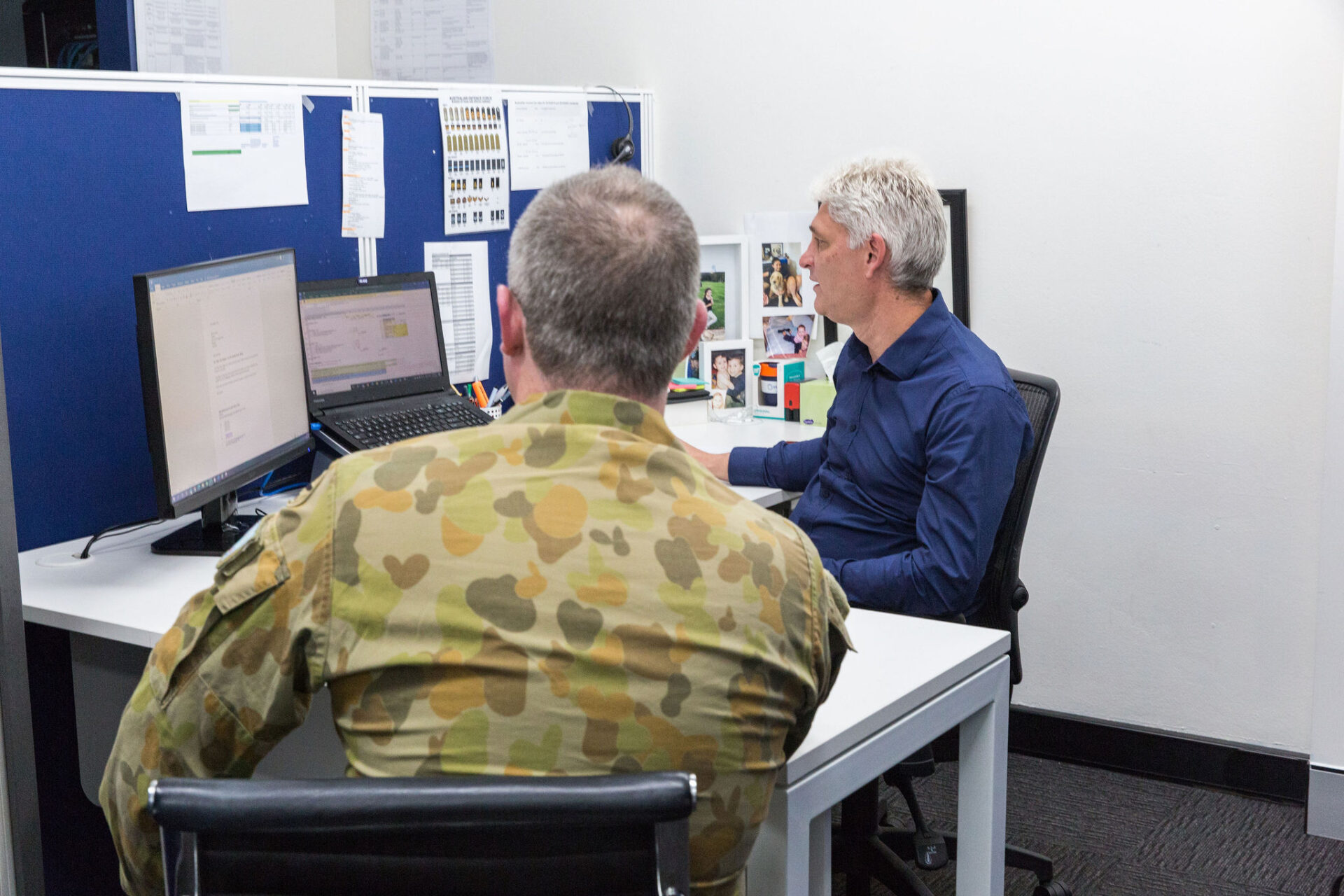
In practical terms, DHOAS reduces their monthly mortgage cost (or provides an equivalent benefit) when they hold an approved home loan and meet ongoing service and occupancy rules.
What is DHOAS, in simple terms?
DHOAS is a government scheme that supports ADF home ownership through an interest subsidy. The subsidy is paid after they have a DHOAS approved loan and meet the scheme’s conditions.
It is not a cash grant for a deposit. It is also not automatic. They must apply, be assessed as eligible, and keep meeting the rules to continue receiving the benefit.

Who can access DHOAS?
DHOAS is generally for current and some former ADF members who have completed a minimum period of service and meet eligibility rules. Their access depends on things like service type, length of service, and whether they have qualifying service credits.
Eligibility is assessed through the scheme administrator, and they typically need a Certificate of Entitlement to prove what tier of benefit they qualify for before a lender can set up an approved loan under government housing assistance eligibility and certificate of entitlement.
How does DHOAS actually reduce mortgage costs?
DHOAS works by subsidising the interest portion of an approved home loan. That means their effective cost of borrowing can be lower than it would be without the subsidy, provided they stay eligible and the loan remains DHOAS-approved.
The subsidy amount depends on their entitlement tier and their loan balance (up to an applicable limit). If their loan is larger than the limit, DHOAS generally only subsidises the portion up to that cap.
What are the DHOAS entitlement tiers?
DHOAS uses tiers (often described as Tier 1, Tier 2, and Tier 3) to reflect how much qualifying service they have completed. Higher tiers typically mean a higher subsidy.
Their tier is not chosen by them. It is determined by the scheme based on their service history and reflected on their Certificate of Entitlement, which lenders use to set up the correct DHOAS loan structure.
What counts as a “DHOAS-approved” home loan?
A DHOAS-approved home loan is a loan with a participating lender that is structured to meet DHOAS requirements. Not every loan product automatically qualifies, even if the lender participates.
They will usually need to tell the lender upfront that they want a DHOAS loan, share their Certificate of Entitlement, and ensure the final loan set-up matches the scheme rules. If the loan is not correctly established, the subsidy may not be payable.
What properties can DHOAS be used for?
DHOAS is typically used for a home they intend to live in, not a long-term investment property. The property must meet the scheme’s occupancy requirements, and they usually need to move in within a required timeframe.
In many cases, they can use DHOAS to buy an established home, build a new home, or buy land and build, but the key is that the arrangement must fit the scheme’s rules and they must occupy the home as their principal place of residence.
What does the occupancy rule mean for ADF members?
The occupancy rule generally means they must live in the home as their principal residence. If they rent it out while still claiming the subsidy, they risk breaching the conditions and losing the benefit under principal residence requirements and housing occupancy rules in Australia.
Service life can complicate this, so they should check what exemptions may apply during certain postings or deployments. The safest approach is for them to confirm their exact situation with the scheme administrator before changing how the property is used.

How do they apply for DHOAS?
They typically start by applying for a Certificate of Entitlement through the scheme administrator. This step confirms whether they qualify and which tier applies, and it is often required before they finalise a DHOAS loan. See how an ADF property advisor helps serving members.
Once they have the certificate, they approach a participating lender, apply for a suitable loan product, and ensure it is set up as DHOAS-approved. After settlement, they continue to meet the scheme’s ongoing requirements for the subsidy to be paid.
Can they use DHOAS more than once?
In some situations, they can use DHOAS again, but it depends on their remaining entitlement and whether they still meet eligibility rules. DHOAS is not always a one-time benefit, but it is also not unlimited.
They should treat each new purchase or refinance as a new compliance moment. The key is confirming their remaining entitlement and ensuring the new loan is correctly approved under DHOAS.
What happens if they refinance or change lenders?
Refinancing can affect their subsidy if the new loan is not DHOAS-approved or if the restructure breaks a scheme rule. They should confirm their plan with both the scheme administrator and the new lender before proceeding.
If they change lenders, the new lender must participate in DHOAS and set the loan up correctly. Otherwise, they could experience a pause or loss of subsidy until the issue is resolved.
What are the common mistakes ADF members make with DHOAS?
The most common mistake is assuming DHOAS is automatic or that any mortgage with a participating bank qualifies. Another frequent issue is misunderstanding occupancy rules, especially when life circumstances change.
They also sometimes refinance quickly without checking DHOAS implications, or they skip confirming their entitlement tier and subsidy cap before choosing a loan size. Small admin errors can cost months of subsidy.
How should they decide if DHOAS is worth it?
DHOAS is usually worth considering if they plan to owner-occupy and expect to hold a mortgage long enough to benefit from the subsidy. The value depends on their tier, loan balance, interest rate, and how stable their occupancy situation will be.
They can compare scenarios by estimating their subsidy and weighing it against any trade-offs in loan choice. The best decision is often the one that keeps the loan competitive while preserving DHOAS eligibility.

FAQs (Frequently Asked Questions)
What is the Defence Home Ownership Assistance Scheme (DHOAS)?
DHOAS is a government scheme designed to help eligible Australian Defence Force (ADF) members buy and keep a home by subsidising part of their home loan interest. This subsidy reduces their monthly mortgage cost when they hold an approved home loan and meet ongoing service and occupancy requirements.
Who is eligible to access DHOAS benefits?
DHOAS is generally available to current and some former ADF members who have completed a minimum period of service and meet specific eligibility criteria, including service type, length, and qualifying service credits. Eligibility is assessed through the scheme administrator, who issues a Certificate of Entitlement indicating the member’s benefit tier.
How does DHOAS reduce mortgage costs for ADF members?
DHOAS reduces mortgage costs by subsidising the interest portion of an approved home loan. The subsidy lowers the effective borrowing cost up to a loan balance limit, depending on the member’s entitlement tier. To maintain this benefit, members must stay eligible and ensure their loan remains DHOAS-approved.
What are the different DHOAS entitlement tiers and how do they affect the subsidy?
DHOAS uses entitlement tiers—Tier 1, Tier 2, and Tier 3—to reflect the amount of qualifying service completed by the ADF member. Higher tiers typically receive a larger interest subsidy. The member’s tier is determined by the scheme based on their service history and shown on their Certificate of Entitlement.
What types of properties can be purchased using DHOAS benefits?
DHOAS can be used for homes that the ADF member intends to live in as their principal residence. This includes buying an established home, building a new home, or purchasing land to build on. The property must meet occupancy requirements, with members usually required to move in within a specified timeframe; investment properties are generally not eligible.
How do ADF members apply for DHOAS and maintain eligibility?
Members start by applying for a Certificate of Entitlement from the scheme administrator to confirm eligibility and entitlement tier. With this certificate, they approach participating lenders to apply for a DHOAS-approved loan product. After settlement, they must continue meeting ongoing service and occupancy rules to receive the interest subsidy consistently.